Complete UAV Parts Guide: Everything You Need to Know About Drone Components
Introduction
Whether you are building an industrial UAV, an agricultural drone, an FPV platform, or a commercial inspection system, understanding the key drone components is essential.
This guide explains every major UAV part, its function, selection criteria, and sourcing considerations. By the end, you’ll have a complete understanding of how modern drone systems are built and how to source the right components efficiently.
1.UAV System Overview
A drone is an integrated system consisting of:
- Frame
- Motors
- ESCs
- Propellers
- Flight Controller
- GPS Module
- Power Distribution System
- Battery
- Radio Control System
- Telemetry System
- Camera & Payload
- Landing Gear
Each component plays a critical role in flight performance, stability, and mission success.
2.UAV Frame
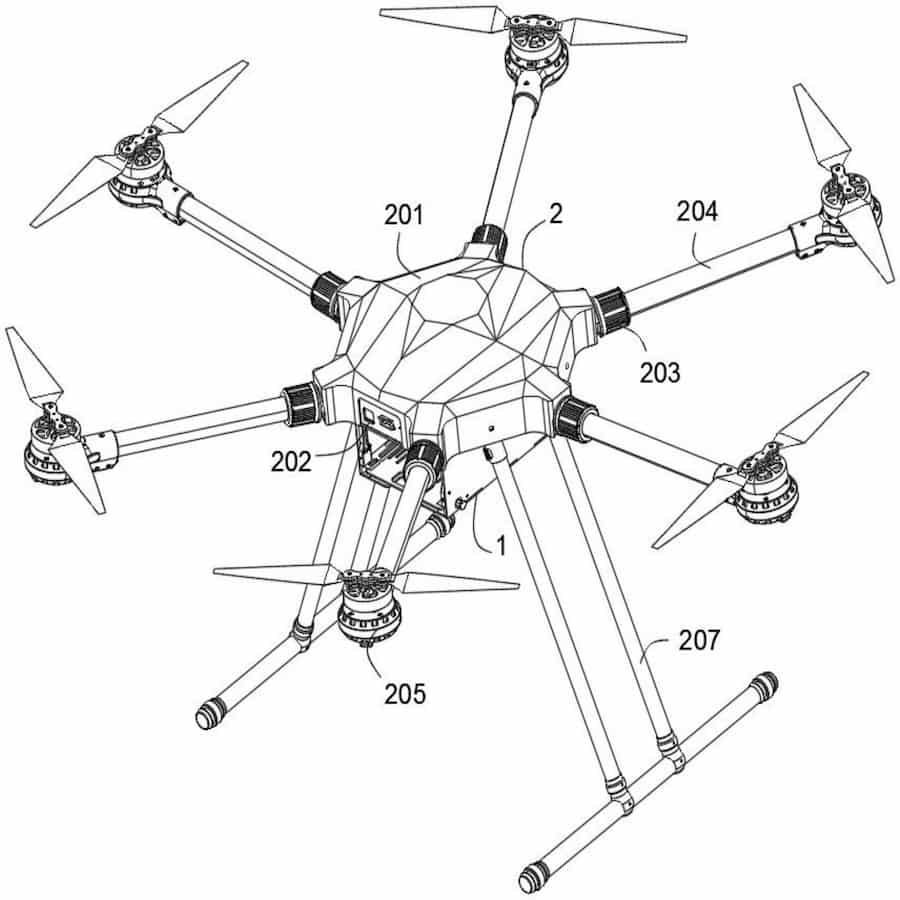
What Is a UAV Frame?
The frame serves as the structural foundation of the drone.
It supports all electronic components while maintaining rigidity and minimizing weight.
Common Materials
- Carbon Fiber
- Aluminum Alloy
- Composite Materials
Frame Types
Quadcopter
4 motors
Advantages:
- Low cost
- Easy maintenance
Hexacopter
6 motors
Advantages:
- Higher payload capacity
- Better redundancy
Octocopter
8 motors
Advantages:
- Heavy-lift applications
- Industrial missions
Selection Considerations
- Payload capacity
- Flight duration
- Environmental conditions
- Expandability
3. UAV Motors
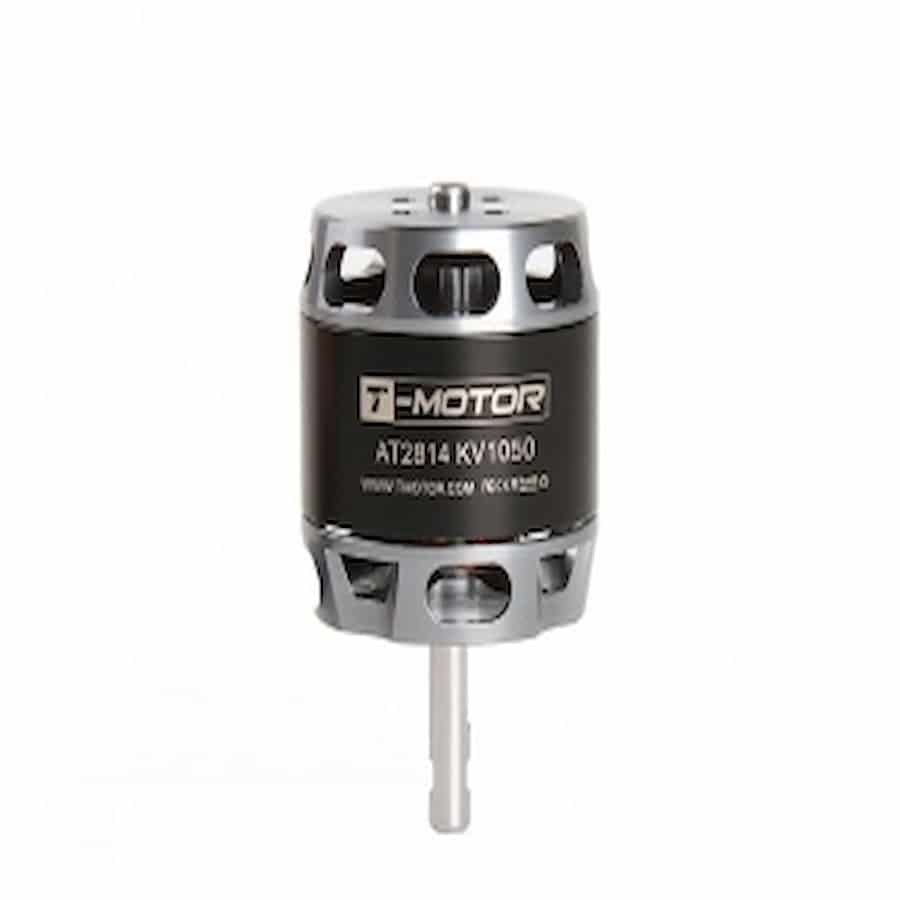
What Does a Drone Motor Do?
Motors generate thrust by spinning propellers.
The motor directly impacts:
- Flight efficiency
- Payload capability
- Stability
Types
Brushless Motors
Most industrial drones use brushless motors due to:
- Higher efficiency
- Longer lifespan
- Better reliability
Key Parameters
- KV Rating
- Maximum Current
- Power Output
- Weight
Applications
Low KV:
- Heavy lift drones
High KV:
FPV drones
4. Electronic Speed Controllers (ESCs)
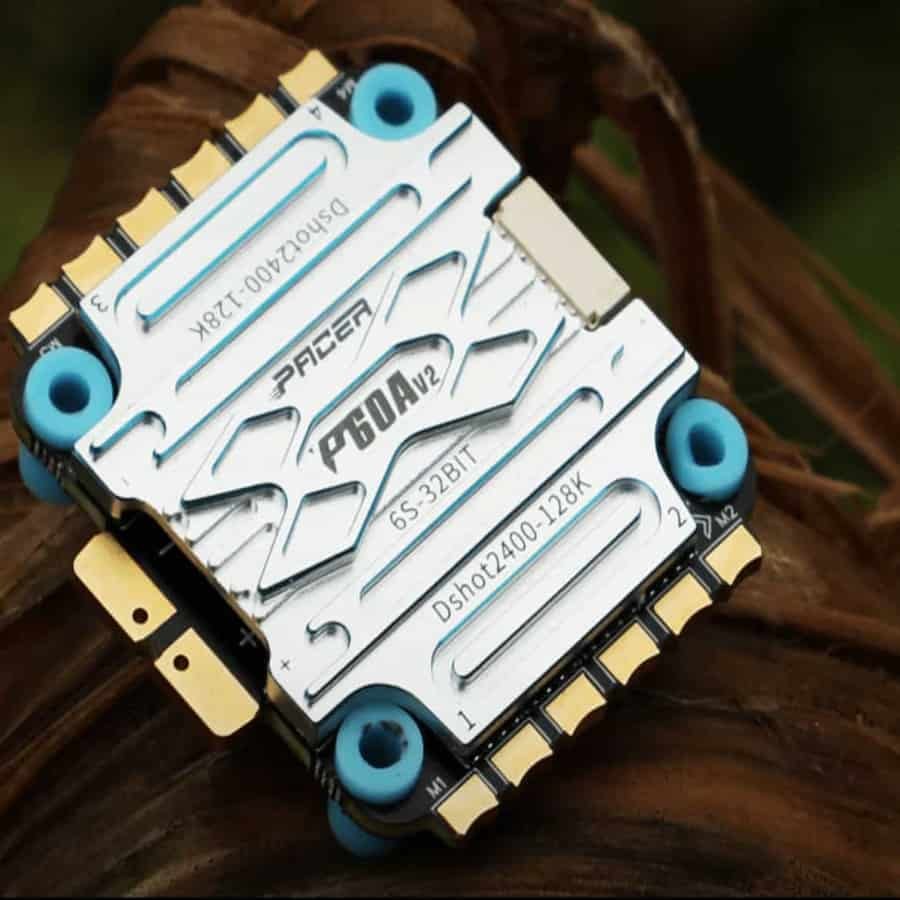
ESC Function
ESCs regulate motor speed according to commands from the flight controller.
Important Specifications
- Continuous Current Rating
- Voltage Compatibility
- Firmware Support
- Communication Protocols
Common Protocols
- PWM
- OneShot
- DShot
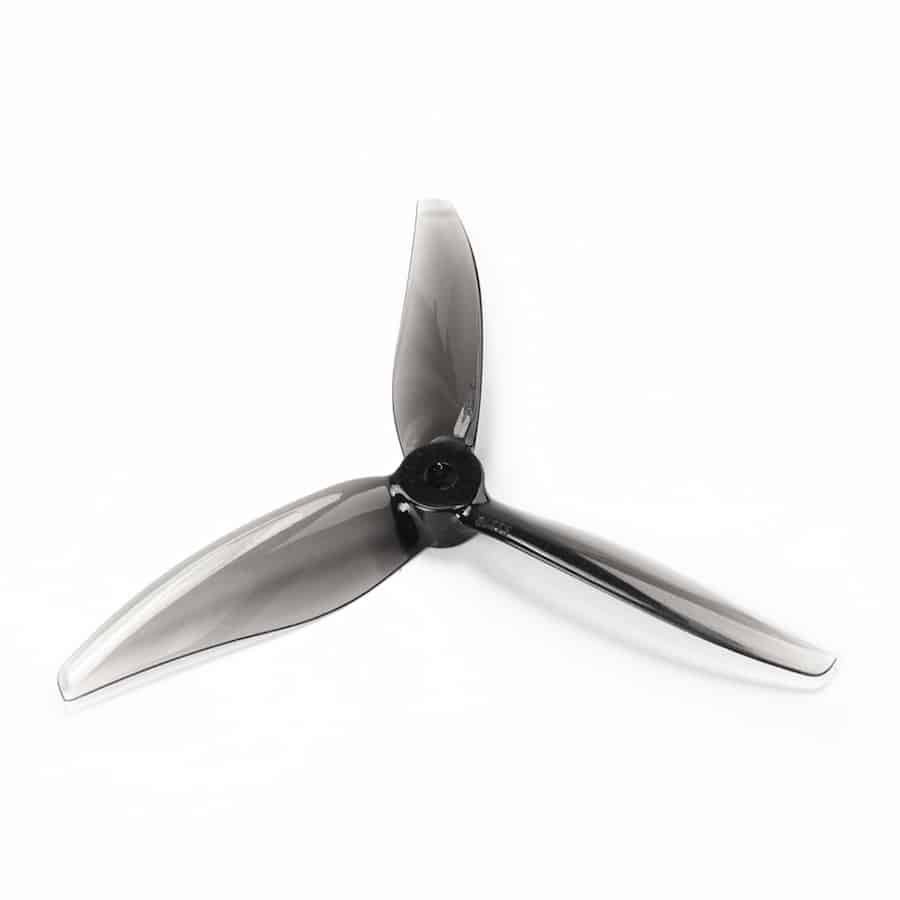
5. Propellers
Why Propellers Matter
Propellers convert motor power into thrust.
Materials
- Plastic
- Carbon Fiber
- Composite
Factors to Consider
- Diameter
- Pitch
- Weight
- Durability
Carbon Fiber Advantages
- Higher efficiency
- Better stiffness
- Reduced vibration
6. Flight Controller
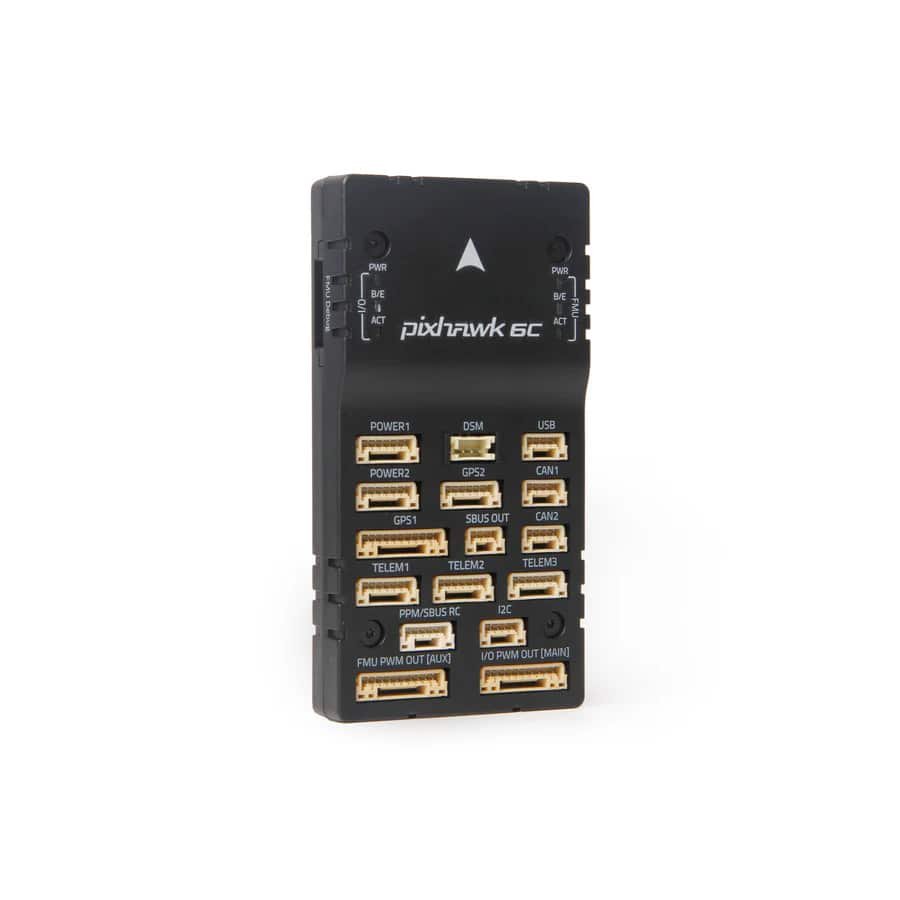
The Brain of the UAV
The flight controller processes sensor data and controls flight behavior.
Popular Platforms
- Pixhawk
- CubePilot
- DJI Flight Controllers
Core Functions
- Flight stabilization
- Navigation
- Autonomous missions
- Failsafe management
7. GPS & Navigation Systems
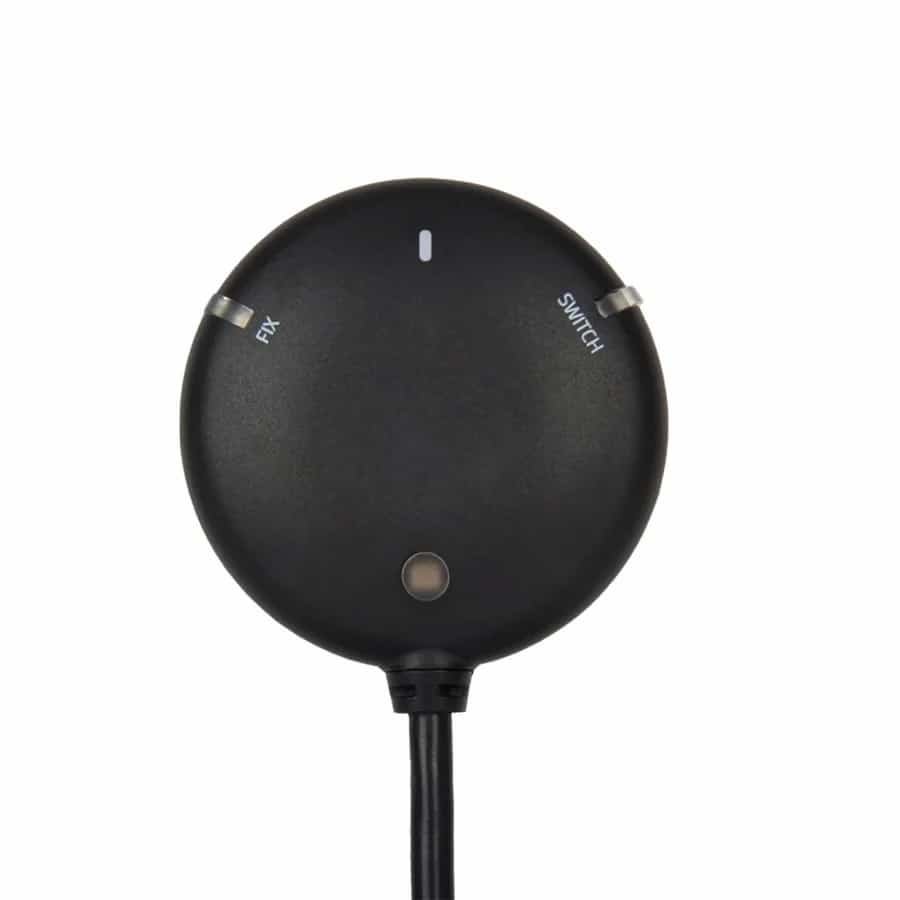
Role of GPS
GPS enables:
- Positioning
- Return-to-home
- Autonomous flight
- Waypoint navigation
Navigation Components
- GPS Module
- Compass
- Barometer
- RTK System
8. UAV Batteries
Drone Power Systems
Most drones use:
LiPo Batteries
Advantages:
- High discharge rate
- High power output
Li-Ion Batteries
Advantages:
- Higher energy density
- Longer endurance
Key Specifications
- Voltage
- Capacity
- C Rating
- Weight
9. Radio Control Systems
Communication Between Pilot and UAV
Components include:
- Transmitter
- Receiver
- Antennas
Popular Protocols
- SBUS
- CRSF
- ELRS
10. Telemetry Systems
Telemetry enables real-time monitoring of:
- Battery status
- Flight data
- GPS coordinates
- Mission information
Applications:
- Mapping
- Inspection
- Agriculture
11. UAV Cameras & Payloads
Payload selection depends on mission requirements.
Common Payloads
- RGB Cameras
- Thermal Cameras
- Multispectral Cameras
- LiDAR Sensors
Industry Applications
- Agriculture
- Surveying
- Security
- Infrastructure Inspection
12. Landing Gear & Accessories
Supporting components include:
- Landing Gear
- Power Distribution Boards
- Wiring Harnesses
- Connectors
- Vibration Dampers
13. How to Select UAV Components
When selecting components, consider:
Mission Requirements
- Payload
- Flight Time
- Range
Environmental Factors
- Temperature
- Wind Conditions
- Dust & Moisture
Budget
Balance performance and cost.
14. How to Source UAV Parts from China
China remains the world’s largest UAV manufacturing ecosystem.
Benefits include:
- Extensive supplier network
- Competitive pricing
- Rapid customization
- Short lead times
Challenges include:
- Supplier qualification
- Quality consistency
- Logistics management
A professional sourcing partner can help consolidate suppliers and simplify procurement.
Conclusion
Building a reliable UAV requires selecting the right combination of components. Understanding each part’s role helps improve performance, reduce costs, and streamline procurement.
Whether you are a drone manufacturer, distributor, or systems integrator, partnering with an experienced UAV parts sourcing provider can significantly reduce complexity and accelerate project delivery.
Need help sourcing UAV components?
Contact DronePartHub for one-stop UAV parts sourcing, supplier consolidation, and customized procurement solutions.